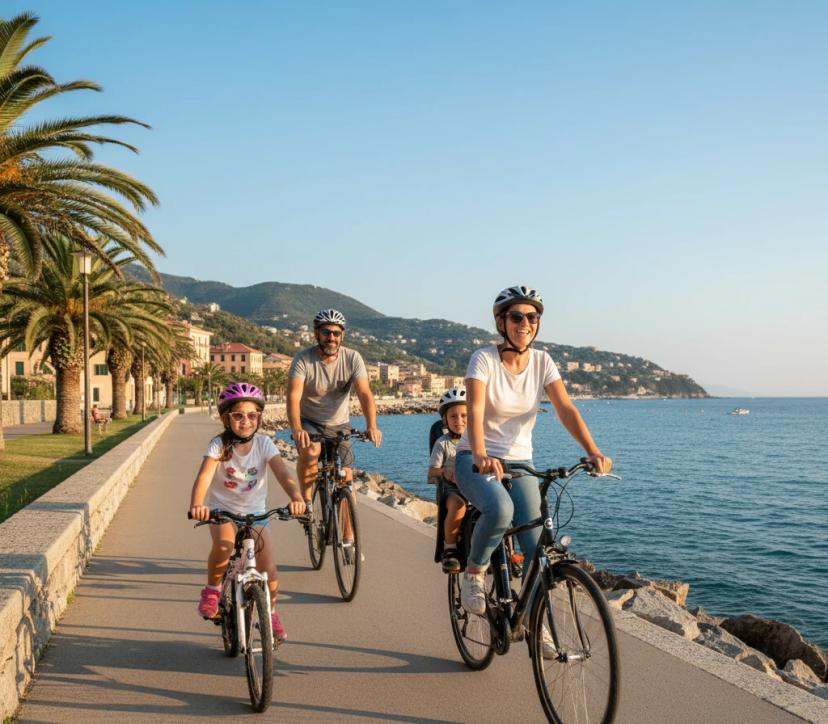
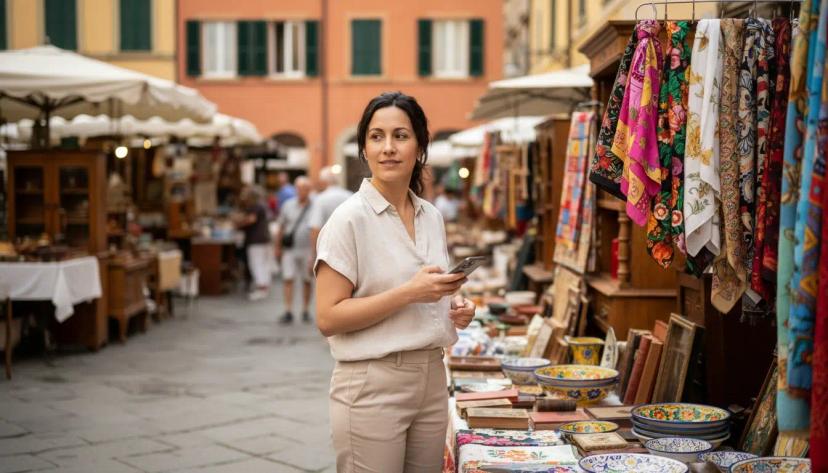
Living in Sicily: a new life at the heart of the Mediterranean
Living in Sicily means choosing an authentic, sun-filled island steeped in tradition, offering an exceptional quality of life at the heart of the Mediterranean.

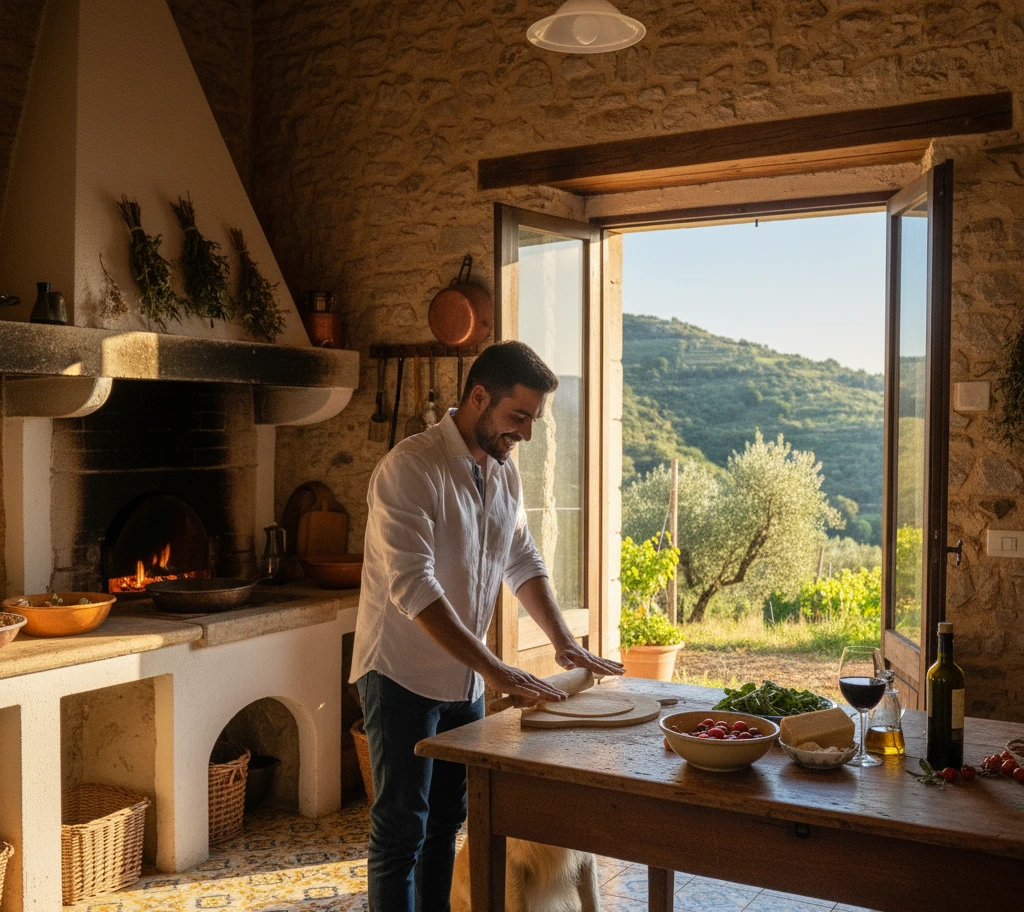
Living in Sicily means choosing an island that is captivating, sun-drenched, and deeply authentic. With the crystal-clear waters of the Mediterranean, hilltop villages, colourful markets, the majestic shadow of Etna, and history-rich cities such as Palermo, Catania, Syracuse, and Trapani, Sicily is drawing an ever-growing number of expats in search of a gentle, sunny lifestyle rooted in tradition.
Life here follows a different rhythm: you live close to the sea, surrounded by nature, enjoying some of Italy's finest cuisine and an ancient culture shaped by Greek, Arab, Norman, and Spanish influences. The locals are warm and welcoming, and newcomers quickly feel at home.
In this guide, we explore why so many people choose to relocate to Sicily, which areas are most attractive for settling down, how to rent or buy property, find work, and understand the cost of living. We also cover the key administrative steps for a smooth move, as well as the quality of healthcare and local services. All of these factors make Sicily a destination where nature, history, and hospitality come together to create a truly unique way of life.
THEY TALK ABOUT US
Maisons & Jardins · Le Figaro · Challenges
« Founded on solid field experience and an in-depth knowledge of Italian procedures. »
Jessica Colpin, co-founder — Maisons & Jardins France, Jan.–Feb. 2026
Why choose to live in Sicily?
Living in Sicily means choosing an island that is luminous, authentic, and deeply Mediterranean. The largest island in Italy, situated at the heart of the Mediterranean, it captivates with its unique balance of volcanic landscapes, crystal-clear sea, historic villages, and an enviable quality of life. From the turquoise waters of Cefalù and Favignana to the baroque alleyways of Noto and Ragusa, from the majestic Etna to the bustling markets of Palermo and Catania, Sicily offers a way of life that is both vibrant and deeply rooted in its own traditions.
With Palermo as its regional capital and cultural, academic, and administrative hub, Sicily attracts expats seeking sunshine and tranquillity just as much as families looking for a welcoming, safe, and historically rich environment. Life here is shaped by the sea, gastronomy, local festivals, and a genuine sense of community that stays with everyone who settles here.
Sicily's economy is undergoing significant transformation, with key sectors including premium agri-food production (citrus fruits, olive oil, wines), sustainable tourism, craftsmanship, renewable energy, maritime ports, and a thriving cultural scene. But living in Sicily is about more than work: it means embracing a way of life where hospitality, tradition, and nature blend harmoniously.
From Taormina, with its breathtaking panoramas, to the picturesque villages of the Madonie mountains or the unspoilt coves of the Egadi Islands, the island captivates with its raw beauty and extraordinary cultural heritage.
Aller en Italie
French expatriation expert · since 2020
4.9
71 verified reviews
1,500+ expats supported
50+ services with French-speaking professionals
20 regions covered
Local consultants on the ground in Italy
Free appointment · 15 min · in French · no commitment
Book an appointmentWhere to settle in Sicily?
Settling in Sicily means choosing between sea, mountains, countryside, and historic cities. Each province has its own identity, pace, and atmosphere — from lively coastal towns to hilltop villages. The right choice will depend on your lifestyle and priorities: culture, nature, peace and quiet, urban energy, or proximity to the sea.
Palermo, the regional capital, stands out for its unique energy, rich cultural life, and vibrant neighbourhood spirit. It is a lively, Mediterranean city where colourful markets, historic monuments, and a mild year-round climate all come together. Well connected and dynamic, it is an excellent fit for working professionals, students, expats, and families looking for an authentic urban environment.
Catania, at the foot of Etna, appeals to those seeking a blend of sea, culture, and a youthful atmosphere. More modern and structured than Palermo, with a strong university presence and a busy social scene, Catania is ideal for active people and those who want to live in a major city while remaining close to nature.
On the south-eastern coast, Syracuse and the island of Ortigia charm visitors with their baroque beauty, relaxed pace of life, and stunning coastal scenery. This area is highly regarded for its quality of life, characterful streets, and calmer atmosphere — perfect for a peaceful relocation or a long-term project.
The baroque towns of the Val di Noto — Noto, Modica, Ragusa — offer a splendid setting surrounded by history and nature. Life here follows the rhythm of local traditions, seasonal festivals, and exceptional cuisine. This is an ideal choice for those seeking an authentic environment, away from the pressures of big-city life.
For lovers of pristine beaches and turquoise waters, the western coast around Trapani, Castellammare del Golfo, and the Egadi Islands (Favignana, Levanzo, Marettimo) offers an exceptional setting. This area is very popular for its tranquillity, lower cost of living, and deeply Mediterranean atmosphere.
Finally, those looking for a rural lifestyle and spectacular landscapes may be drawn to the Madonie or Nebrodi mountains — inland regions at the heart of a slower, wilder, and less touristy side of Sicily.
Essential steps for living in Sicily
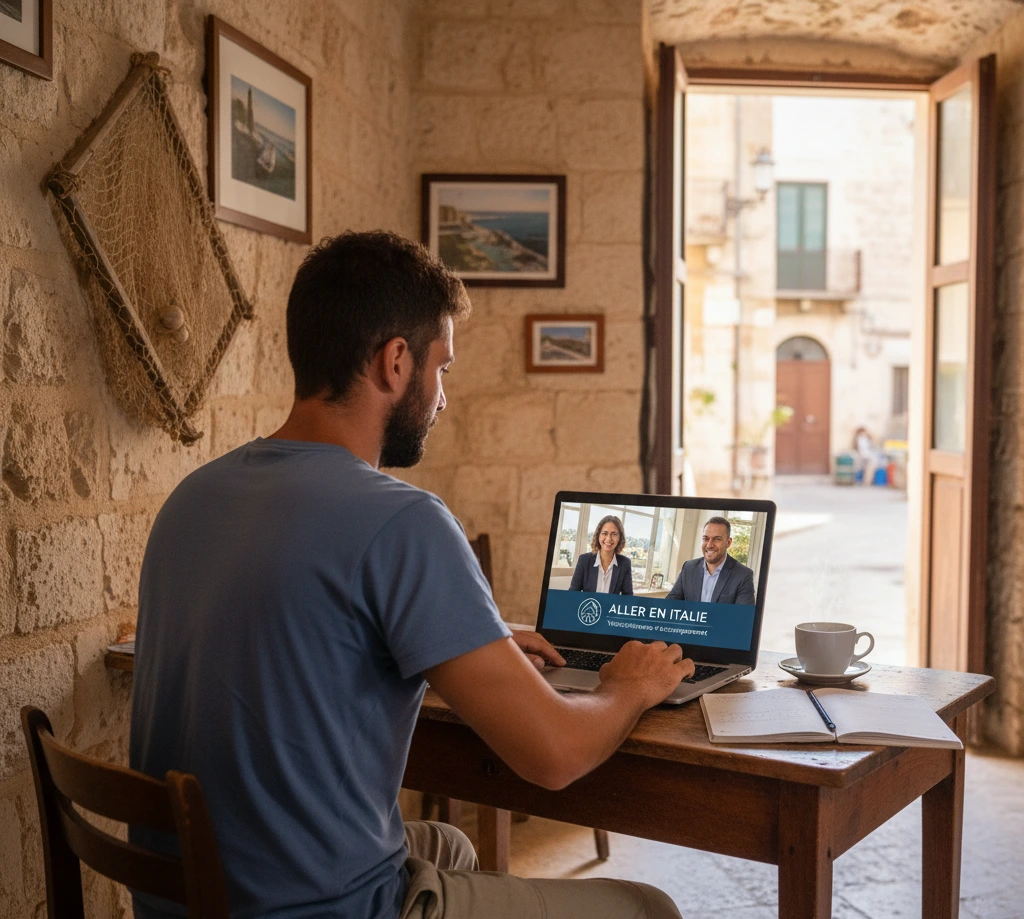
Settling in Sicily requires some preparation to avoid administrative surprises and ensure a smooth move. As soon as your plans take shape, the first step is to apply for your codice fiscale, the Italian tax identification number. This personal number is essential for all official procedures: renting a property, setting up utility contracts, buying a home, or taking up employment. You can obtain it free of charge from the Agenzia delle Entrate in Sicily, or from the Italian consulate in your home country before you arrive.
Once you are permanently settled, you will need to register your residency with the town hall (comune) of your new municipality. This official registration formalises your presence in Italy and unlocks access to several key rights: public healthcare, local taxation, vehicle registration, school enrolment for children, and access to certain municipal services.
The process can vary slightly from one municipality to another, particularly in smaller villages in the Madonie, the Val di Noto, or small coastal towns where procedures can be slower and less digitalised. It is therefore advisable to contact the local comune directly to find out which documents are required and what waiting times to expect.
For a complete relocation, also remember to:
- open an Italian bank account,
- register for waste collection services,
- check the residential parking rules, especially in historic city centres subject to ZTL zones (restricted traffic areas), which are very common in Sicilian cities such as Palermo, Catania, and Syracuse.
If you are not yet confident in Italian or would prefer personalised support, working with a specialist team experienced in expatriation can save you a great deal of time and help you avoid administrative mistakes. This kind of tailored assistance will allow you to settle in Sicily with peace of mind and start enjoying your new life at the heart of the Mediterranean as quickly as possible.
Renting a flat in Sicily
Renting a property in Sicily offers an excellent balance between quality of life, Mediterranean climate, and still-affordable housing costs. The island attracts a growing number of expats each year, drawn by its authenticity, coastal landscapes, historic villages, and warm, relaxed pace of life.
Palermo remains one of the most dynamic cities in southern Italy. Rents are relatively reasonable for a large city: expect to pay between €700 and €1,000 per month for a one-bedroom flat in the historic centre (Politeama, Libertà, Massimo), and between €500 and €750 in well-connected residential neighbourhoods such as Noce, Università, or the up-and-coming Borgo Vecchio area. The city benefits from good infrastructure, a lively market scene, and a rich cultural life.
Catania is a highly popular alternative, known for its student life, social vibrancy, and proximity to the sea. Rents are similar or slightly lower than in Palermo: between €600 and €900 in the centre and €450 to €650 in well-connected outer neighbourhoods. The atmosphere is younger and more modern.
In the baroque towns of the Val di Noto or in coastal areas such as Cefalù, Sciacca, or Trapani, rents vary considerably by season. Many properties are offered as tourist or short-term seasonal rentals, which can make it harder to find a stable long-term contract, particularly near the sea. Monthly rents in these areas typically range between €400 and €700, though year-round lettings are less common.
As in the rest of Italy, long-term rental contracts exist in Sicily but are less widespread than in the north. When available, they generally follow the 4+4 model (four years with automatic renewal), with a six-month notice period for departure. For shorter stays, transitional contracts (1 to 18 months) and tourist rentals remain very common and are often easier to secure.
When signing a lease, you should budget for a security deposit of two to three months' rent, sometimes more for furnished or recently renovated properties. Estate agencies typically charge fees equivalent to one month's rent for administrative management and contract set-up.
Buying a house in Sicily
Buying a house in Sicily means entering a property market full of character, where every home tells a story: baroque palaces with flower-adorned balconies, stone houses in the heart of villages, light-filled apartments overlooking the sea, or old farmhouses surrounded by almond and lemon trees. You will also find numerous historic properties still within reach — some with internal courtyards, rooftop terraces, or spectacular views of Etna or the surrounding islands. In terms of prices, Sicily remains one of the most affordable regions in Italy, with rural properties starting from €600–900/m², coastal houses around €1,000–2,000/m², and city apartments generally ranging between €1,600 and €2,800/m² depending on the neighbourhood in Palermo or Catania. The baroque towns of the Val di Noto offer attractive opportunities from €1,000/m², rising to €3,500/m² for renovated or sea-view properties. The island appeals equally to architecture enthusiasts, those planning a renovation project, and those seeking a long-term investment.
Sicily stands out for its wide variety of properties, which are often more spacious than elsewhere in Italy. It is common to find homes with terraces, gardens, land, or outbuildings — a real advantage for those wishing to create a family home, a rental project, or a hospitality business. In some villages, older properties are still available at very attractive prices, ideal for a first purchase or a bespoke renovation project.
Before buying, it is essential to carefully examine the cadastral and planning status of the property. Sicily has an ancient and complex built heritage, and it is not uncommon for certain homes to have undeclared extensions, rooms added over the decades, or particularities linked to their family history. A technical survey carried out by a licensed surveyor is therefore strongly recommended to avoid any unpleasant surprises.
The negotiation process can also take time: families who own property have often lived in the same home for several generations, which adds an emotional and personal dimension to the transaction. Having a bilingual lawyer or expert by your side helps facilitate communication, clarifies tax obligations, and ensures a secure purchase.
Working in Sicily
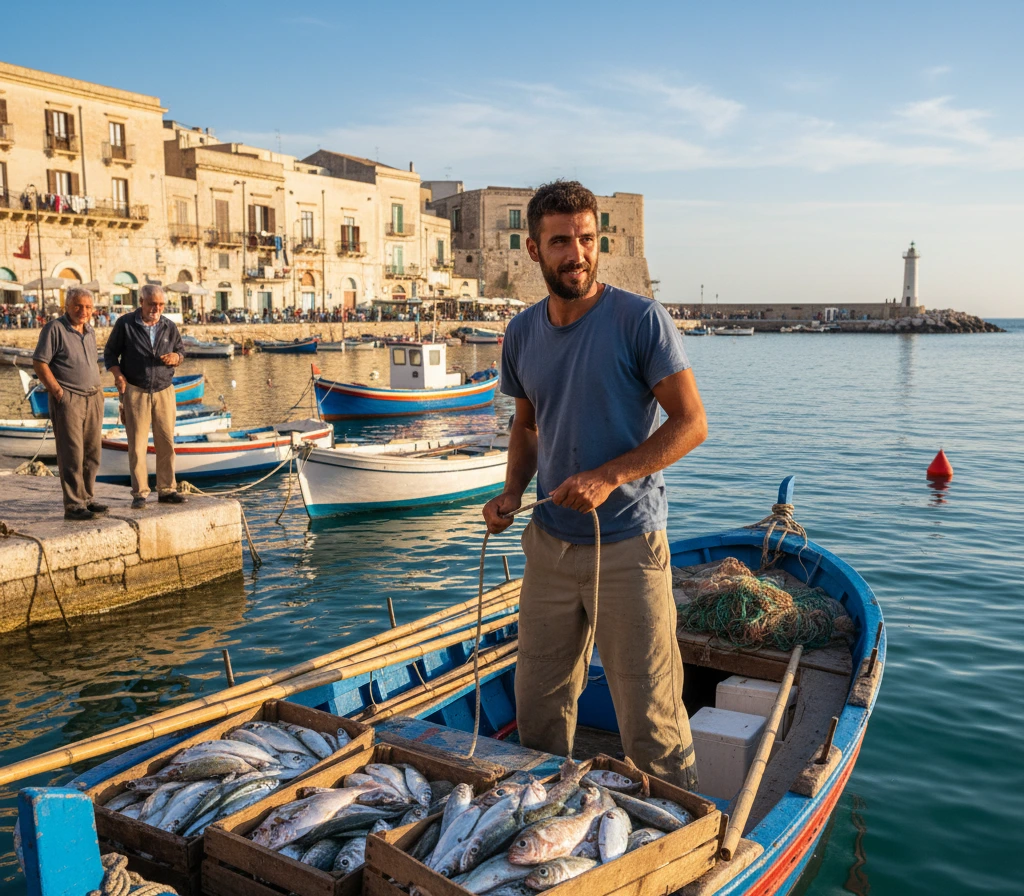
Working in Sicily is a genuine opportunity for those who want to integrate into a region rich in history, culture, and natural resources. Long centred on agriculture, fishing, and craftsmanship, the island has gradually diversified its economy while preserving its Mediterranean identity and warm pace of life.
Today, several sectors are particularly dynamic. Agri-food production remains a key pillar, with the cultivation of citrus fruits, olive oil, renowned wines, and local specialities exported across Europe. Tourism, highly developed in coastal areas and baroque towns, creates numerous opportunities in hospitality, catering, culture, and services. The energy transition, heritage conservation, digital services, maritime ports, and small family-run accommodation businesses (B&Bs, agriturismi) are also growing sectors.
Salaries in Sicily are generally lower than in northern Italy, but this difference is offset by a lower overall cost of living. On average, an employee earns between €1,200 and €1,500 net per month, while skilled professionals — project managers, engineers, tourism executives, IT specialists, or cultural managers — can earn €2,000 to €2,300 net. As in many parts of southern Italy, seasonal employment is widespread, particularly between May and October in coastal and tourist areas.
To find work in Sicily, it is recommended to use the main Italian job platforms (Indeed Italia, Job Rapido, Subito Lavoro) and to keep a LinkedIn profile in Italian. A good command of the language remains a decisive advantage, but many employers in tourism, hospitality, export, and culture also actively seek bilingual profiles, highly valued for client-facing roles, international account management, and cross-border business dealings.
Cost of living in Sicily
The cost of living in Sicily is among the lowest in Italy, making it a highly attractive destination for expats. You can enjoy a sun-filled lifestyle, exceptional gastronomy, outstanding local produce, and prices that are significantly lower than in the major cities of northern Italy.
Worth noting: Sicily is one of the regions eligible for the 7% flat tax for foreign retirees, a significant tax advantage that further enhances the island's appeal.
In Palermo, a single person's monthly budget typically falls between €1,200 and €1,500, including rent. A one-bedroom flat in the city centre rents for around €700 to €1,000, while on the outskirts or in residential neighbourhoods, rents drop to €500–700.
In Catania, life is slightly more affordable, with an average monthly budget of around €1,100–1,400. Mid-sized cities such as Trapani, Ragusa, or Agrigento offer an even lower overall cost: a single person can live comfortably on €1,000–1,200 per month.
Day-to-day expenses are reasonable and often lower than in northern Italy. Local markets offer fruit, vegetables, fish, citrus, wine, and olive oil at very competitive prices. Restaurants, trattorias, and cafés are also affordable, allowing you to fully enjoy Sicilian cuisine without stretching your budget.
Public transport is inexpensive: a monthly pass in Palermo or Catania costs around €30 to €40. However, as in many parts of southern Italy, a car is often necessary to get around outside the main urban centres or to reach coastal areas.
Leisure and cultural activities are varied and accessible: festivals, open-air concerts, archaeological site visits, days at the beach, and excursions on Etna. Prices remain moderate, and the wealth of activities available means you can fully embrace the Mediterranean lifestyle that Sicily is known for.
Healthcare and services in Sicily
Sicily has a solid healthcare system, supported by an extensive hospital network designed to serve a population spread across cities, villages, and coastal areas. In recent years, the region has invested in modernising its infrastructure, with a growing emphasis on prevention, accessibility, and proximity of medical services — an important consideration for an island as large and diverse as Sicily.
In Palermo, several major facilities provide a high level of medical care, including the Policlinico "Paolo Giaccone" and the "Civico" hospital, which specialise in cardiology, oncology, surgery, and emergency medicine. In Catania, the Policlinico "G. Rodolico – San Marco" is one of the largest university medical centres in southern Italy, distinguished by its oncology, neurology, and intensive care services.
On the south-eastern coast, the hospital in Syracuse and the facilities in Ragusa provide a good standard of care, particularly in paediatrics, gynaecology, and internal medicine.
In rural and mountainous areas, such as the Madonie or Nebrodi mountains, facilities are smaller but well distributed, ensuring access to essential healthcare. When specialist care is needed, patients are quickly referred to the major university hospitals in Palermo or Catania.
In terms of services and transport, the region is served by three international airports: Palermo (Punta Raisi), Catania (Fontanarossa), and Trapani Birgi, offering frequent connections to destinations across Italy and several European capitals. Regional trains and buses provide good coverage between the main cities, although a car is often essential for exploring villages and making the most of the island.
International expats in Sicily: a growing community
In 2025, Sicily is attracting a growing number of foreign residents and investors. According to recent data from Tuttitalia, the formally registered foreign community remains modest — a few hundred permanent residents — but the island welcomes a steady flow of second-home buyers, investors, retirees, and remote workers drawn by the climate, the cost of living, and the island's authenticity. This trend is also driven by an accessible property market and a Mediterranean lifestyle that is widely appreciated across the world.
The majority of expats choose to settle in Palermo, the dynamic regional capital, or in Catania, a lively university and cultural city at the foot of Etna. Others prefer the quieter, baroque-influenced charm of the Val di Noto — Noto, Modica, Ragusa — or coastal towns such as Trapani, Syracuse, and Cefalù, which offer exceptional natural surroundings and a gentle quality of life throughout the year.
The expat presence is increasingly visible through property investments, the opening of guesthouses, and the arrival of freelancers, artisans, and digital workers, as well as local initiatives fostering cultural exchange. In Palermo, Catania, and Syracuse, several international schools, language associations, and cultural events help newcomers integrate and strengthen ties between communities.
Relocating to Sicily means choosing an authentic, sun-filled, and multicultural Italy, where life unfolds to the rhythm of the sea, local traditions, and the seasons. With an expanding expat community and an attractive property market, the island is today an ideal place to settle, invest, or enjoy a regular base at the heart of the Mediterranean.
FAQs
1- Do you need to speak Italian to live in Sicily?
Yes, especially outside the main urban centres. In cities like Palermo, Catania, or Syracuse, you may be able to get by in English, particularly in tourist areas. However, speaking Italian makes administrative processes significantly easier, helps with everyday interactions, and is essential for integrating into local life.
2- What is the cost of living in Sicily?
Sicily is one of the most affordable regions in Italy. In Palermo, a single person can typically live on €1,200 to €1,500 per month, including rent. In Catania or mid-sized cities such as Ragusa, Trapani, or Agrigento, the budget drops to around €1,000 to €1,200. Local produce is widely available and affordable, making it easy to eat well on a modest budget.
3- How do you find housing in Sicily?
As in many parts of southern Italy, finding a year-round rental near the coast can be challenging, as short-term seasonal lettings dominate the market. It is advisable to search outside the peak tourist season and to use platforms such as Immobiliare.it and Idealista.it. Long-term contracts generally follow the "4+4" model, with a six-month notice period.
4- What are the main advantages of living in Sicily as an expat?
Sicily offers an exceptional quality of life: a Mediterranean climate, unique cultural heritage, outstanding cuisine, diverse beaches, and a low cost of living. The island is also eligible for the 7% flat tax for foreign retirees, a very attractive fiscal advantage. It appeals to families, retirees, investors, and remote workers alike — all drawn by its authenticity, natural beauty, and sunshine.